


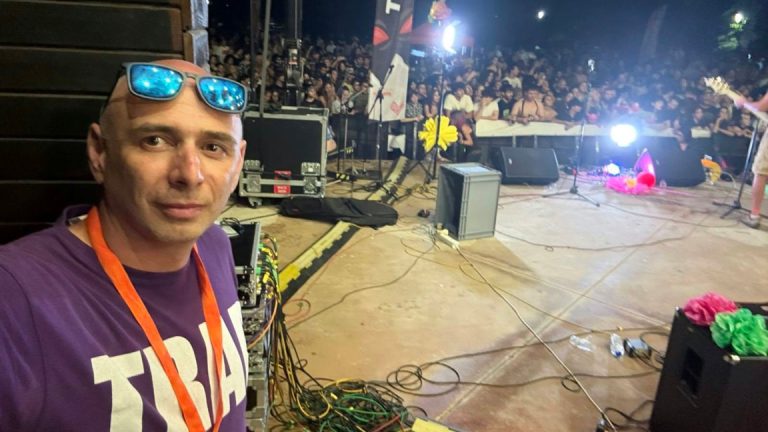
What challenges do Bulgaria’s community cultural centres face today?
Speaking to Ivaylo Stefanov on “Alarma”, Deyan Yankov describes the cultural life of the Trotoara 2020 Community Center, from…


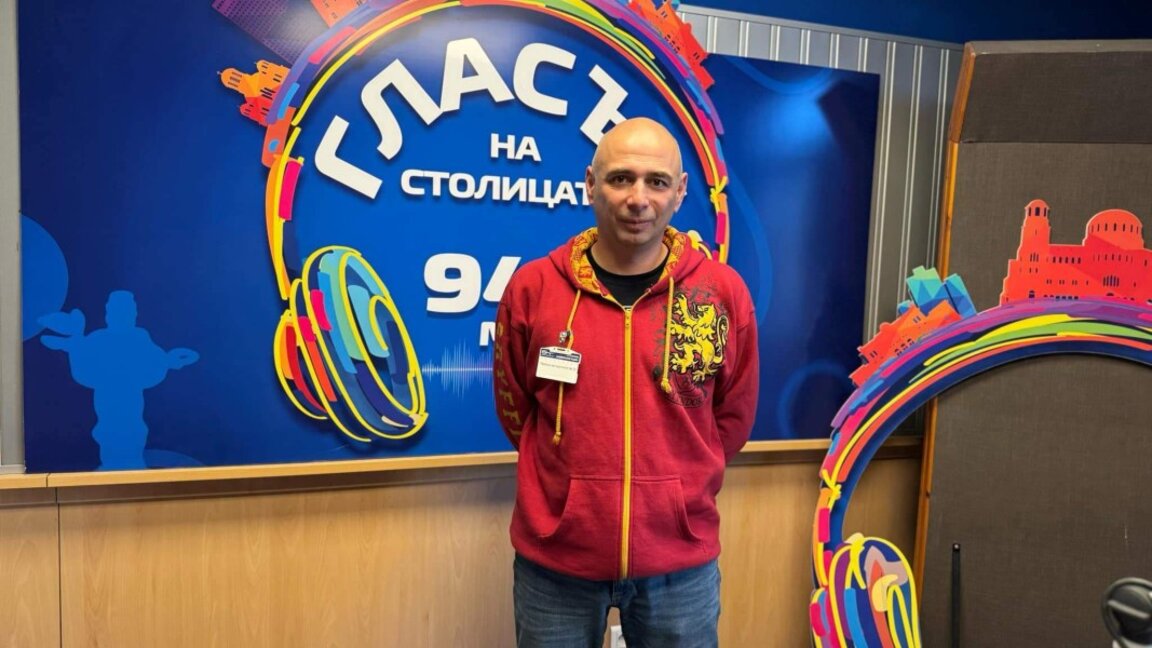
Is the funding system for Bulgaria’s community cultural centres unfair? On 9 December, the Ministry of Culture announced the results of one of its funding programmes for these centres. Of the 1,355 eligible applicants, 1,274 received exactly 28 points out of a possible 30. The other 81 scored 29 or 30 and received funding.
It is striking that every unsuccessful applicant received exactly the same score. So is the short time the assessors had: 30 days to review nearly 1,300 applications. So far, of course, there has been no feedback. That was what Deyan Yankov, founder of Trotoara 2020 Community Centre, wrote on social media.
The chitalishte, or community cultural centre, is a Bulgarian invention that even features on a UNESCO list. A dedicated law governs how these centres operate and how they are funded. The Ministry of Culture is responsible for ensuring the law is followed, though local authorities also have a say.
“If the Community Centres Act is followed as written, community centres won’t become relics. The law says they must hold a general meeting every year and at least half the members must attend. They have to report on their work. There’s no way 75 people can get together at least once a year and the centre stay inactive. Everyone will have something to say or an idea to offer. They’ll find solutions and things will happen,” said Deyan Yankov.
According to Yankov, there are about 3,700 community cultural centres on the register. Of those, 1,355 applied to the Ministry of Culture for funding. The programme has a total budget of 2.5 million leva, with grants of up to 50,000 leva for equipment and improvements to facilities. Applicants have one month to submit their documents and assessors have one month to evaluate them.
“The lack of transparency in the way applications for public funding like this are assessed is a problem across the country,” Yankov said. One of the things that struck him about the results in the Sofia area was that all four centres in Novi Iskar, for example, had received funding.
“More centres in Novi Iskar got funding than in the whole of Sofia. I think six or seven centres in Sofia get funding, and there are a great many of them. There’s one in every neighbourhood,” he said. He added that when he looked up the annual turnover of the successful applicants in the Commercial Register, he found some with a turnover of only 20,000 leva. In his view, that was very little, probably came from a subsidy and indicated that those centres were doing nothing.
“The way the Ministry of Culture spends this public money is opaque, unclear and haphazard,” he said.
Listen to Konstantin Lavsov’s full interview in the audio player.
This post is also available in: Bulgarian
Speaking to Ivaylo Stefanov on “Alarma”, Deyan Yankov describes the cultural life of the Trotoara 2020 Community Center, from…
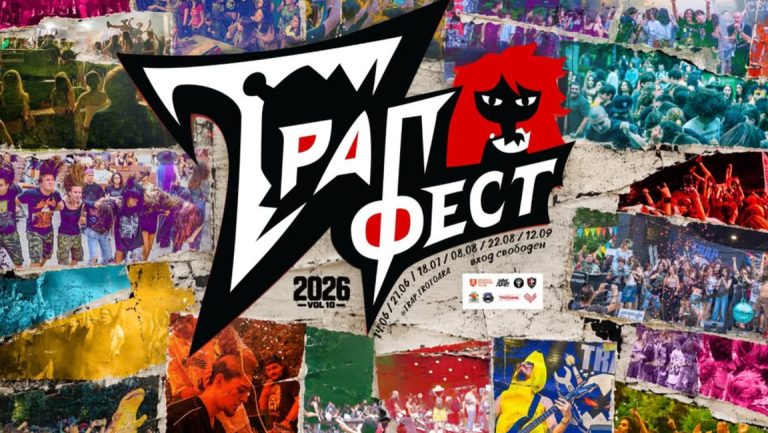
TRAP fest 2026 Vol. 10 continues, and this time the stage is moving to Mladost. The festival has always reached…
Trotoara 2020 is a community cultural centre in Sofia that goes beyond the familiar idea of a place that preserves…


