

Four bands on making music and finding a stage
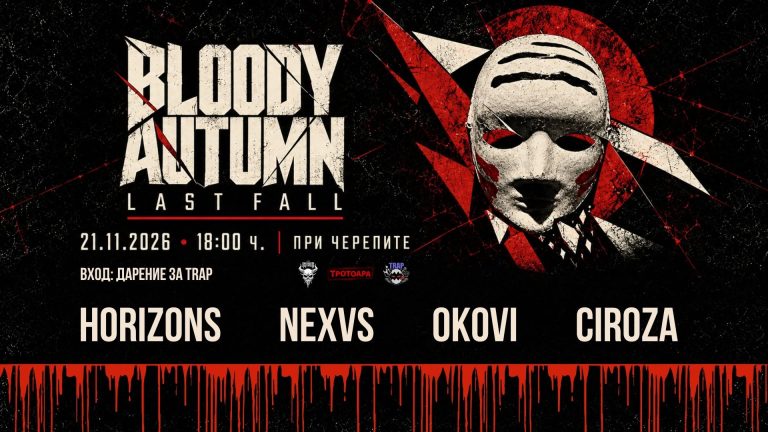
Ahead of Bloody Autumn: Last Fall on 21 November, Okovi, Ciroza, Nexvs and Horizons talk to Lia about rehearsal rooms,…


Rock ’n’ roll isn’t going to die any time soon!
At least as long as we have a band like Dreg Starz we’ll have that breath of fresh music that seems to come straight out of the past, yet sounds different and thoroughly modern! They played the first edition of T.R.A.P. fest Open Air, you’ve heard them on plenty of other occasions, and now you can get to know them better in this interview with Nick D’Monicus (Nikola Stoyanov), lead vocalist and rhythm guitarist with Dreg Starz.
T: Hi, guys! How are you on this sunny day? What’s filling your spare time?
N: Hi, great! More and more rock ’n’ roll lately, writing new songs and drinking plenty of beer 🙂
T: Your last gig in Sofia was at TRAP Fest. What struck you about it and why did you take part?
N: Dani, the festival organiser, invited us. I’ve lived in Germany for a few years and I came home especially for the festival and our Wacken Metal Battle appearance on 2 June, where we made it to the final round. T.R.A.P. Fest was a wonderful event for us: perfectly organised, a good choice of bands and some really interesting workshops. There was something for everyone. It’s great that things like this happen in Bulgaria, and for free at that. It’s important for the generations coming up to experience culture in all its forms. A festival like this is a great, unforced way to make that happen.
T: Where’s the band at right now, and what’s coming up?
N: We’re preparing all-new material for our first full-length album, ten to twelve tracks. The plan is to record it by the end of the year and release it in 2018. We’re waiting for confirmation from one or two Bulgarian festivals this summer, and planning a few club gigs for the autumn. We’ve also had offers of joint shows from German bands. We’re still talking those through.
T: As experienced musicians, what hurdles did you face when you were starting out?
N: Every new musician hits a lot of obstacles. Early on you have to decide whether to play covers or your own music. In Bulgaria it’s still easier to build a fan base quickly and get lots of paid shows in a tribute or covers band. When you play only originals you know you’ve chosen the harder route to success, but for me it’s the right one. We made that choice deliberately in DREG STARZ, and we hope it adds to the variety of music in Bulgaria.
Before we formed Dreg Starz, all of us had been in bands playing mostly or exclusively original music. Ivan (lead guitar), Blago (drums) and Stef (bass) are still part of the well-known death metal machine Eufobia.
Whether or not we stay underground, our music has always had a clear idea and purpose. I think music should have a clear message for the audience. That’s art to us! I’m not having a go at any of our fellow musicians. It’s just how it is. When you play someone else’s music, you’re always putting someone else’s ideas across. Building a really good scene in Bulgaria takes bands playing original songs, and we need them badly right now. The good thing is there are more and more enthusiasts like us and plenty of new bands thinking along the same lines. That tells you things are moving.

T: What difference would an initiative like T.R.A.P. have made when you were first getting on stage and working towards your goals?
N: When we were starting out, most gigs happened in community cultural centres. As a teenager in Varna around the turn of the millennium I knew just one club for heavy original music, Zona 51. Getting a gig there wasn’t easy. From what I hear it was much the same in Sofia with O! Shipka. I think there are too many clubs now, especially in Sofia. In a way that’s a downside. Even on the best nights the audience isn’t big enough to see all the good Bulgarian bands across all those clubs. We’re underground. There aren’t many of us. That’s just my opinion. I don’t remember many initiatives like T.R.A.P. Fest when I was a teenager, but playing a stage like that would certainly have helped. At events like this you play for a young, varied audience. For me, young audiences are the most honest, and these events do a huge amount to get new bands heard.
T: Is there something young people today are missing?
N: Yes. Without wanting to preach, it’s worth remembering that before downloading became widespread, people valued music more. We still taped each other’s cassettes and copied CDs, but the music itself meant more. There was a hunger for new music. We didn’t have that feeling of having more than enough, which comes with free downloads and, more recently, streaming.
T: How long does the creative process take when you record a song or come up with a video?
N: In straight hours you can write the music and words in two or three hours. Then you start polishing the details and that can take months. I send the others multitrack demos with full arrangements and the main idea for the song. When we get together to rehearse, everyone develops and changes their own part. Sometimes the song ends up looking nothing like the original idea. Recording itself isn’t such a painful process. Blago recorded the drums for the three tracks on our debut EP in less than a day. Both our videos are from that EP. Mixing and mastering take longer: two or three months for an album, sometimes more. In our case, allow eight to ten months to write and record the new songs, then at least another two or three to mix them. All in, the creative process for an album takes us about a year. We shot our first video, “Children of the Night”, in two days. The second, “Swinging Bottles”, took one shooting day. As with recording, editing takes longer, from two or three months to half a year in some cases.
T: What goes into success? What do you give up or compromise on when you want your work to reach more people?
N: ‘Art demands sacrifice’ is a cliché for a reason. Mostly what you ‘sacrifice’ is spare time, but I’ve never seen making music as an obligation. It’s fun, a way to get away from the everyday. We all do other jobs, and music helps us unwind. It’s what makes us happy. Rock ’n’ roll really is an international language. I say that as someone living abroad. Finding common ground with people from different countries who love this music is an incredible feeling. For me rock is one of the best ways to meet all kinds of interesting people and share moments you’d never get at the most expensive team-building weekend.
T: Do young people need training wheels when they start exploring something new? Where are the benefits and the downsides?
N: Yes, the initiatives run by the Trotoara Foundation are a huge plus. At events like these young artists can be themselves without anyone telling them how to sound or look. There have been lots of music shows on television lately too. The downside of those contests is that they try to mould you, tell you how things ought to work and overproduce you until you’re a fake TV character. Sad but true. That’s why we’re fully behind independent events like T.R.A.P. Fest and hope they’ll happen more often in Bulgaria. So many creative Bulgarian bands need them, and so does the scene as a whole.
T: Finally, what will you never give up?
N: Having fun making music!
Interview by Iva Viktorova (Alice)
This post is also available in: Bulgarian
Ahead of Bloody Autumn: Last Fall on 21 November, Okovi, Ciroza, Nexvs and Horizons talk to Lia about rehearsal rooms,…
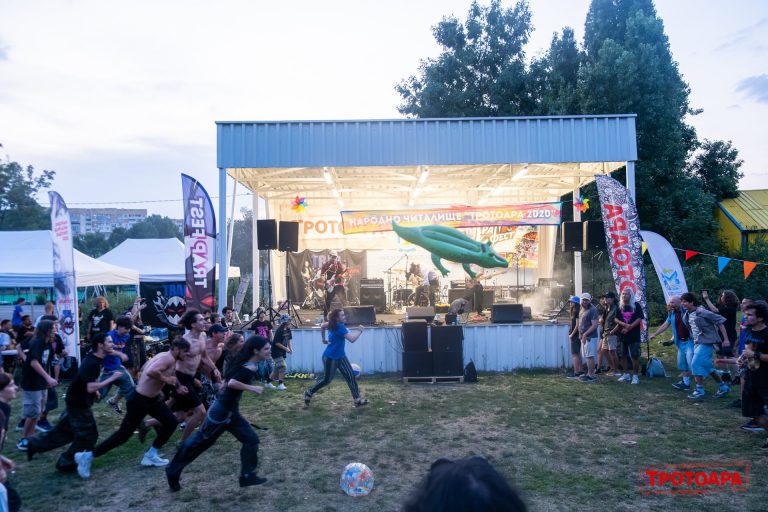
A closer look at the tenth edition A summer evening at TRAP Fest, 27 June 2026. On 14 June, setup…
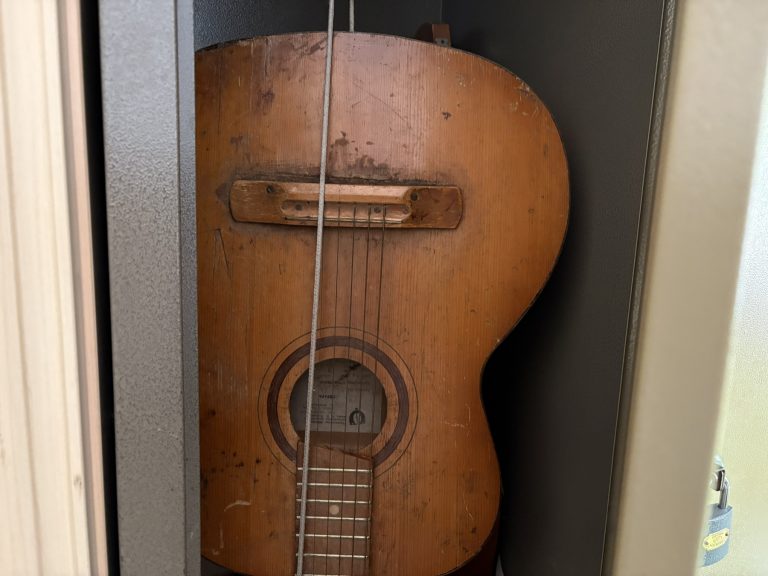
Deyan “Dido” Yankov on the tenth edition of TRAP Fest The guitar is still in the metal cabinet in my…
