

TRAP Fest 2026 and ten years in which absolutely nothing went wrong
Updated on 6 November 2026. This article first appeared before the anniversary festival. After it ended, we added the full…


Teenagers walking into TRAP often meet someone they have something in common with. Maybe it’s the way they dress, maybe it’s the music they love, or maybe it’s something else entirely. It matters to find people who share our interests. It matters just as much to find people whose differences bring out something new in us. That’s where good ideas come from, and we’ve had plenty at TRAP!

Someone else who’s interested in how friendship shapes teenagers is Riikka Korkiamäki, a lecturer at Tampere University of Applied Sciences in Finland. Her research interests include migrants and migration, and the potential of children and teenagers. In her paper “Friendship as Potential? The Recognition of Teenagers’ Peer Relationships at School,” Korkiamäki explores the part that friendship can play in shaping a teenager’s identity.

Riikka Korkiamäki
Photo: Tampere University of Applied Sciences
You’ve probably heard someone ask, “If your friends jumped off a bridge, would you?” Or heard someone, usually a teenager, described as having “fallen in with the wrong crowd”. How often do we hear those lines compared with, say, “a friend in need is a friend indeed”? Korkiamäki thinks that balance needs to change. Friendships deserve attention for what they can do for young people as they grow.
“This paper takes as its starting point the fact that children’s and young people’s friendships have largely been overlooked as a resource. Although the importance of friends and peers to teenagers is widely recognised, their friendships are more often seen as a cause of risk-taking than as a resourcethat could help prevent it. The aim of this theoretical paper, then, is to challenge that prevailing view by considering teenagers’ friendships as a potential source of inclusion. It examines them from the perspective of student well-being and preventive social work in schools,” the abstract explains.

Korkiamäki goes on to describe the care and solidarity teenagers show one another. Sometimes that support helps make up for the parental support many feel they lack. Friends can also help each other cope with stress and overcome the effects of growing up in a difficult environment, for example in a disadvantaged neighbourhood.
Theories of recognition share the idea that being recognised by other people and communities as an equal worthy of respect is a fundamental human need. It helps young people develop their sense of who they are. The paper cites Axel Honneth, perhaps the best-known theorist of recognition. In his view, “the success of this continual effort to gain positive and adequate recognition from others is decisive for the development of people’s self-esteem.”

Failure to gain it can, in turn, have tragic consequences. Korkiamäki turns to another theorist, Charles Taylor. He argues that people who do not receive positive recognition, in other words “those whom others, or the norms and values of society, portray in a one-sided or negative way (…)”, find it much harder to accept themselves and to recognise their own strengths and weaknesses.
“Honneth’s view is shared by Charles Taylor, who argues that a person’s understanding of themselves is shaped by whether the people around them recognise them. Taylor stresses that people who lack positive recognition, those ‘whom others, or the norms and values of society, portray in a one-sided or negative way (…)’, will find it much harder to accept themselves and any further action they take. Failing to recognise, or misrecognising, someone’s values, interests and communities can imprison them ‘in a false, distorted and limited way of being’.”
We don’t need a research paper to tell us that friends matter. Still, it’s good to see evidence of something we witness every day at Trotoara 2020 Community Center. Drop by and see it for yourself! 🙂
Read the full paper here.
This post is also available in: Bulgarian
Updated on 6 November 2026. This article first appeared before the anniversary festival. After it ended, we added the full…
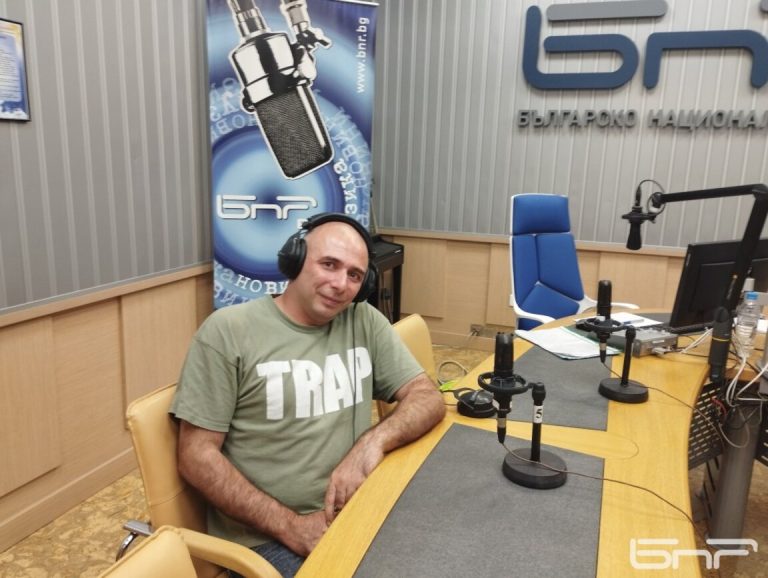
Trotoara has held over 20 events and welcomed thousands of visitors this year alone. Deyan Yankov tells Bulgarian National Radio…

Summer is here, and Trotoara 2020 Community Center has announced its programme, with TRAP Fest Open Air 2024 among…


